

Many people would ask: “Why ‘ONLY ONE DAY‘ in Hong Kong? Is it not worth to stay longer?” The answer is: “Absolutely. Hong Kong is a great place to immerse yourself in a cultural blend of East and West. It is also safe, clean and relatively inexpensive (by the U.S. standards).” One more interesting fact about Hong Kong is that by Human Development Index (statistical measure which combines life expectancy, education, and per-capita income), it ranks number four in the world after Switzerland, Norway and Iceland.
But I simply had a long layover here while changing planes on return flight from the Philippines (read about this trip HERE) to Europe. This story is about what you can do and experience in Hong Kong if you only have time between 7.30 in the morning and until 11.00 in the evening.
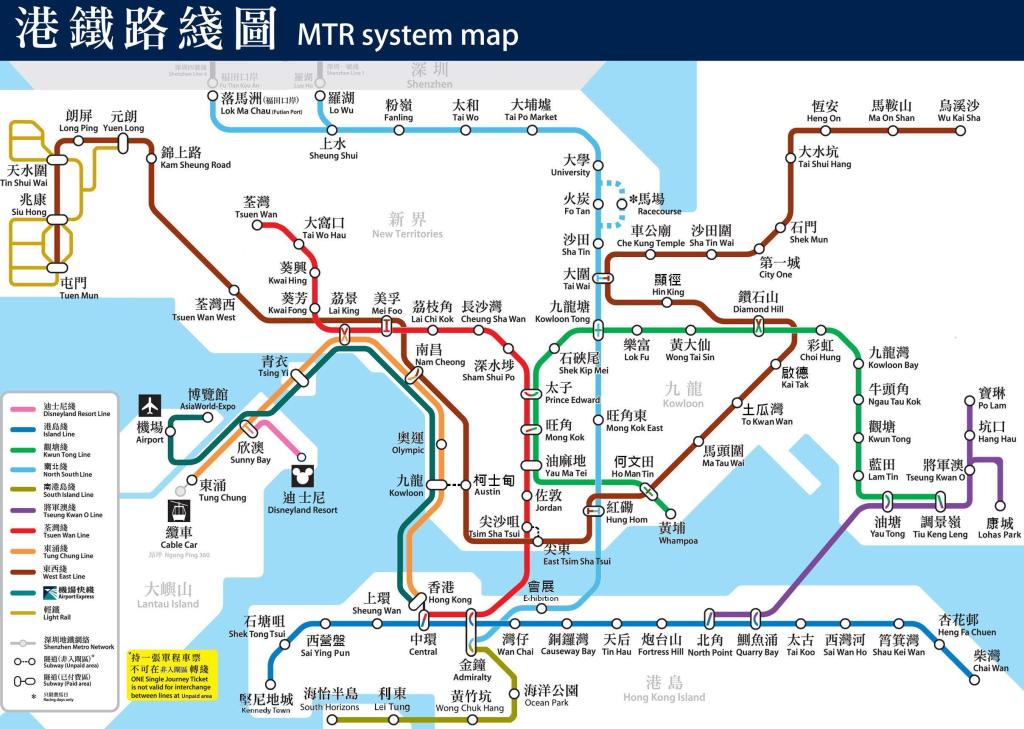
First, here is some practical information (if not interested, skip HERE). Take a look at this map.
Since 1997, Hong Kong has been part of China (before, it was a U.K. territory). However, it retained autonomy with governing and economic systems which are separate from the rest of the country (the principle of “one country, two systems“). Hong Kong does not feel like China at all, but rather as a cosmopolitan capital of the entire Southeast Asia. And, unlike China, Hong Kong is visa-free for visitors from North America, Europe, and many other countries.
The map above also shows that Hong Kong is actually not a single piece of land, but a combination of mainland and several islands with a territory of 1,104 sq kilometers (426 sq miles) and a population of 7.4 million. Part of Hong Kong as a whole is Hong Kong island. Most of things to do and to see are there.
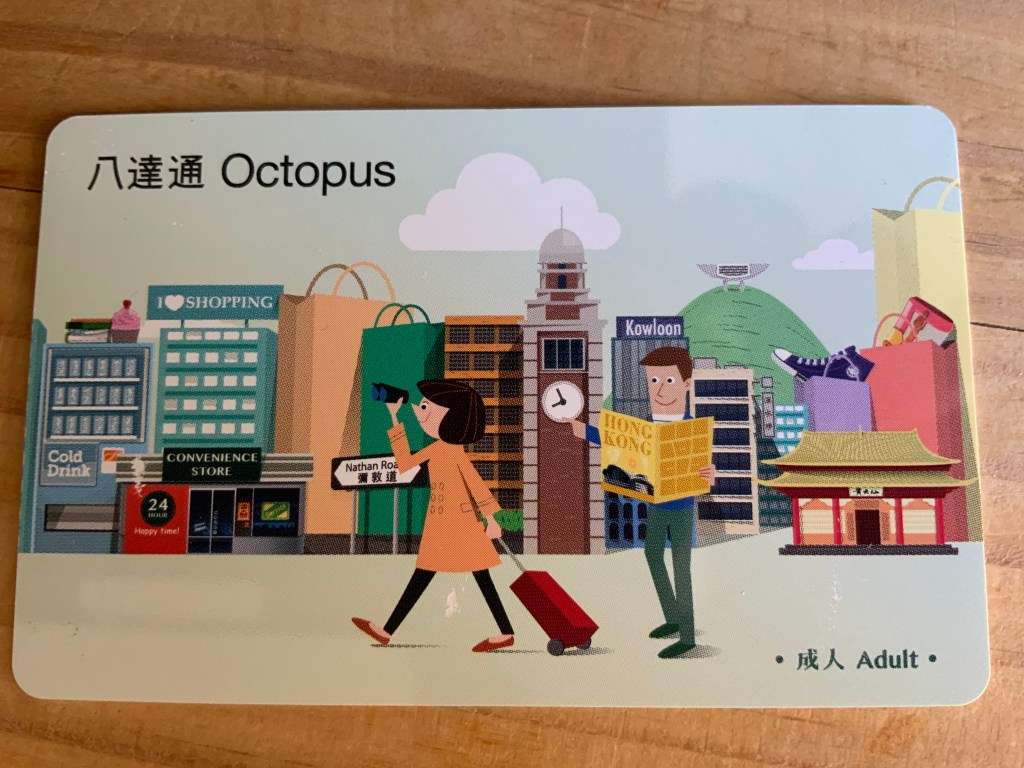
Upon arrival to Hong Kong, the first order of business is to buy (right in airport) the so-called Octopus Card. Essentially, it is a digital valet and payment method which you can use for any transport (subway, tram, bus, taxi, ferry), as well as in many stores, restaurants, and tourist attractions. Besides convenience of paying easily everywhere, Octopus Card also gives discounted rates for transport fares (compared to cash). The Octopus Card costs HK $ 200 (USD $ 26) out of which HK $ 50 is deposit and HK $ 150 is stored value to pay for services. You can top-up Octopus Card (add money to it), and when leaving Hong Kong, simply return Octopus Card to get full refund for unused value and deposit.
Getting from Hong Kong airport to the city center is easy. Hong Kong has a very efficient and inexpensive subway system called MTR (Mass Transit Railway). Here is the map. The dark green line is airport express to the city center. In less than 30 min. and for HK $ 115 (USD $ 15), it will take you to “Hong Kong” station which is a good place to start exploring Hong Kong.
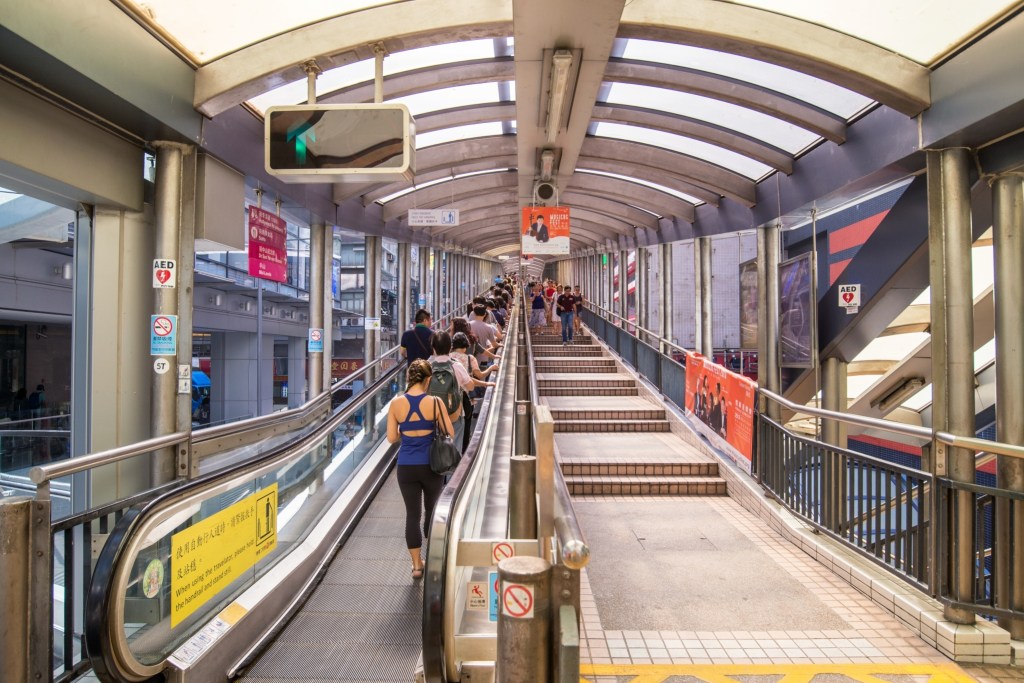
And so, after taking express line from the airport to Hong Kong MTR station, at around 8.30 in the morning, I emerged right in the middle of a bustling city. The first surprise was instant: I did not know that many streets in central Hong Kong (busiest part of the city) are “doubled on two levels:” with upper level reserved exclusively for pedestrians.

Another transport wonder of Hong Kong is Central-MId-Levels escalator – the longest in the world outdoor escalator and walkway system. It covers over 800 m (2,600 ft) in distance and traverses an elevation of over 135 m (443 ft) from bottom to top. Besides purely practical function, Central-Mid-Levels escalator is also among Hong Kong’s major tourist attractions.
Being densely populated and with intense human and transport traffic, Hong Kong, yet, has many green areas and parks. They feel like real “oases of respite” which are fully disconnected from the urban craziness and noise. My first destination of the day was one of such places: the Hong Kong park. From the Hong Kong MTR station, it takes only about 20 min to walk there. By the way, walking the streets of Hong Kong is a visual experience on its own, as you constantly see examples of interesting modern architecture.
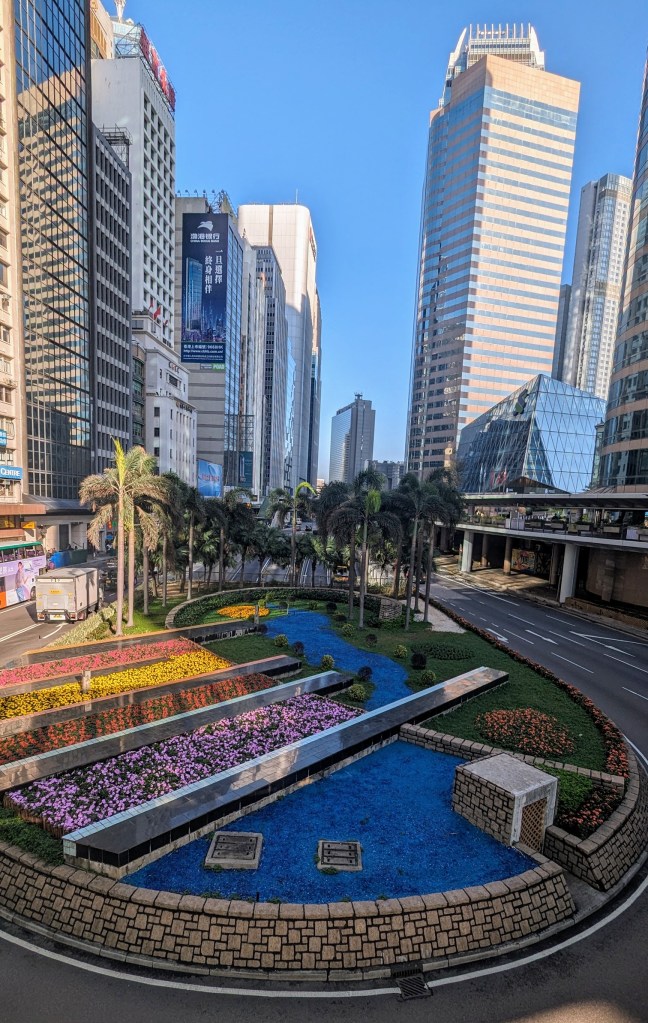
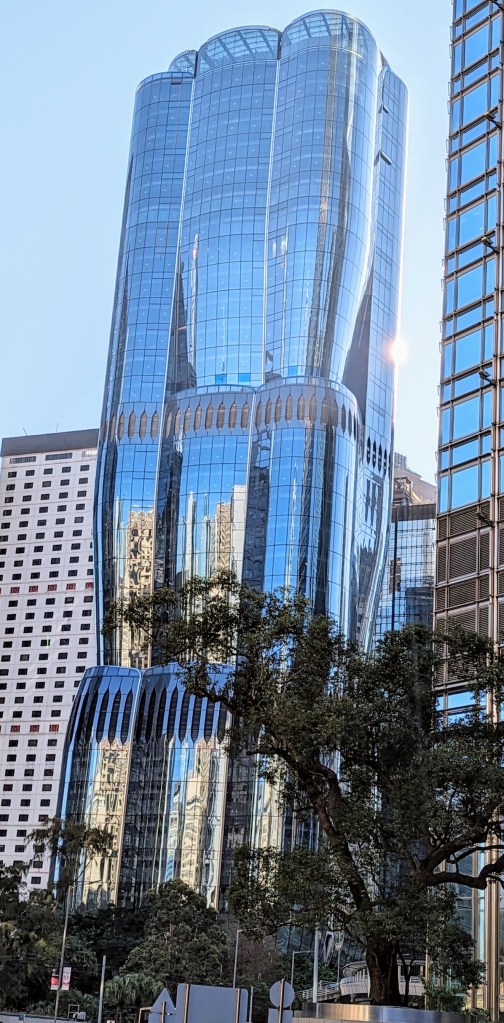
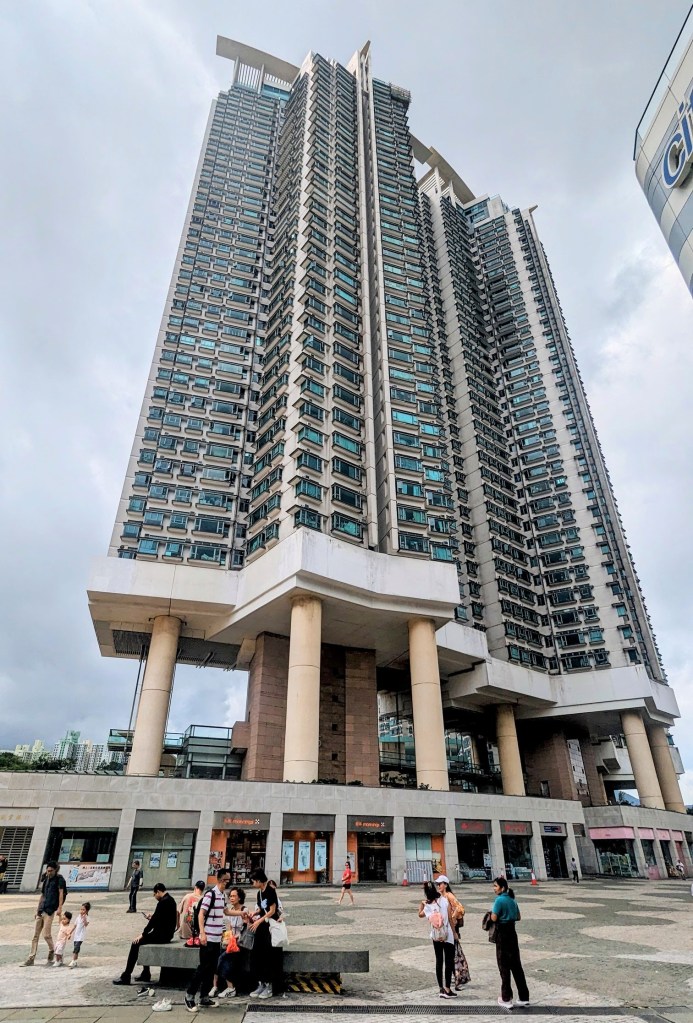
The Hong Kong park is much more than simply a “park.” Its nicely manicured and tranquil grounds include several gardens, a pond with colorful fishes, sculptures, fountains, some historical houses and museums (I recommend especially the Museum of Tea Ware).
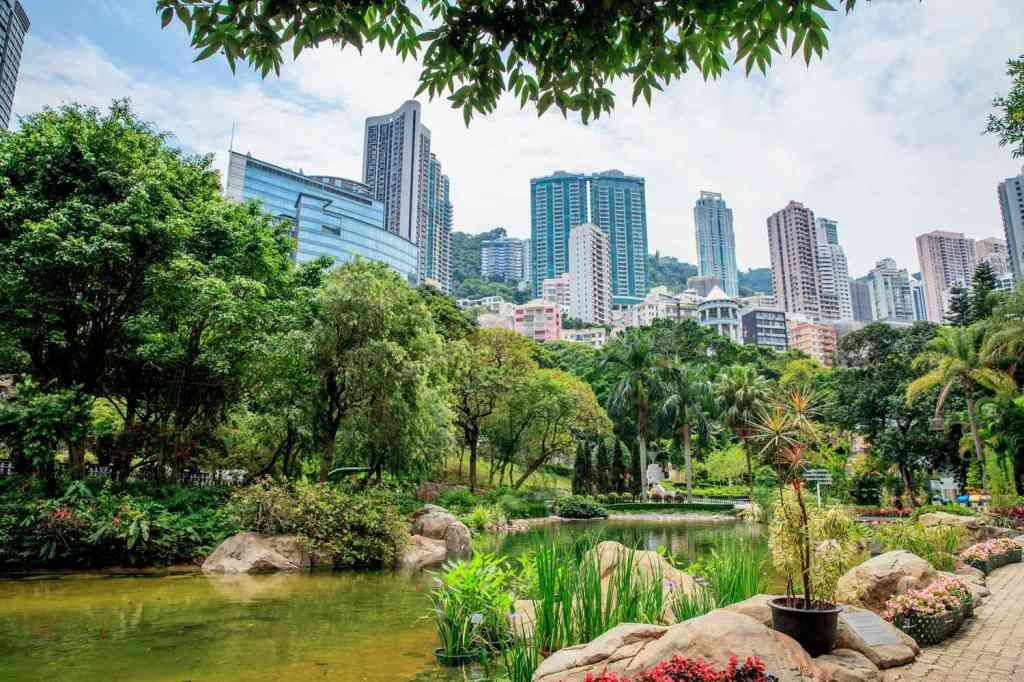
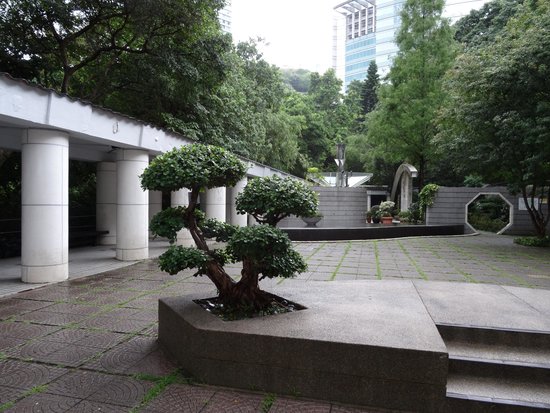
One part of the park is occupied by Tai Chi Garden which is filled with artwork and sculptures related to Tai Chi philosophy.
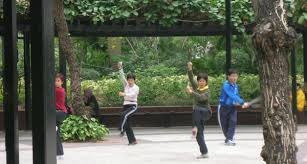
And sure enough, Tai Chi garden is also a good place to watch the locals who practice Tai Chi.
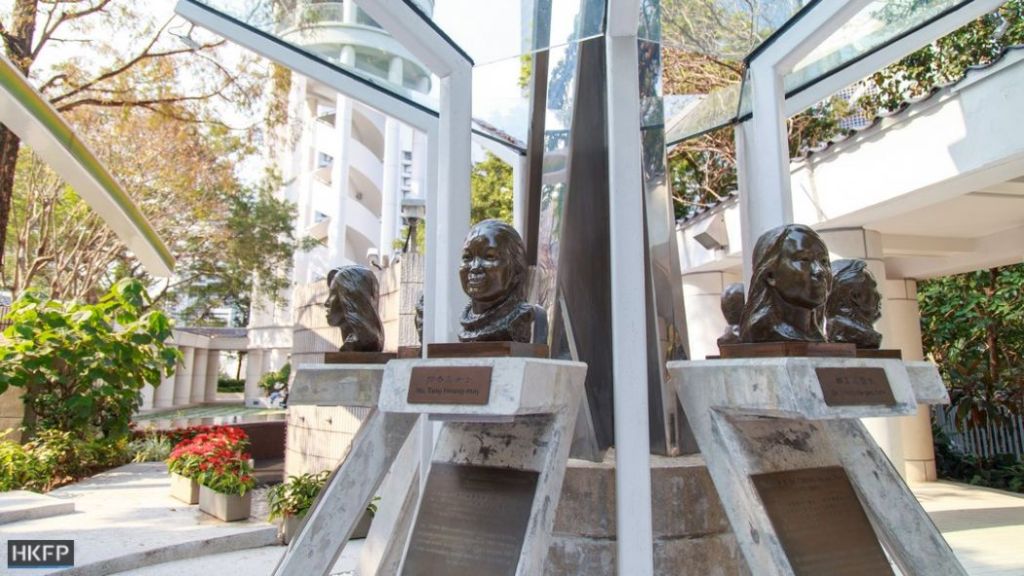
A touching sculpture composition in Hong Kong Park is “Fighting SARS Memorial” which is dedicated to the medics who died during 2003 SARS epidemy while trying to save their fellow citizens from this disease.
But the “best selling” part of the Hong Kong Park is Edward Youde Aviary which is home to a wide variety of exotic birds. The aviary is built like an extensive system of elevated wooden walkways which is “roofed” with a huge net so that the birds cannot escape. But the net is almost invisible and it feels as if there is no borders at all between the aviary and the rest of the park.

The birds are abundant and colorful, and – the best part – absolutely unafraid of people: so, they land on handrails and “pose” right in front of visitors.
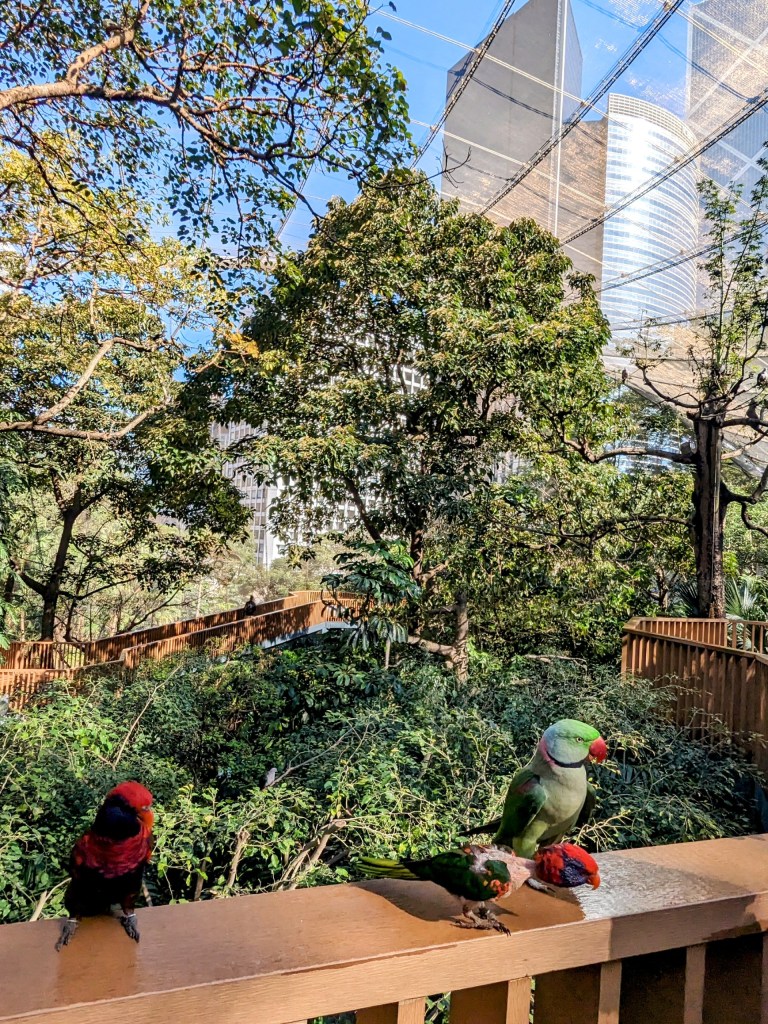
Also, fun thing about aviary is that – due to its elevation – while walking there, one can take good pictures of urban “jungles” which surround Hong Kong Park.
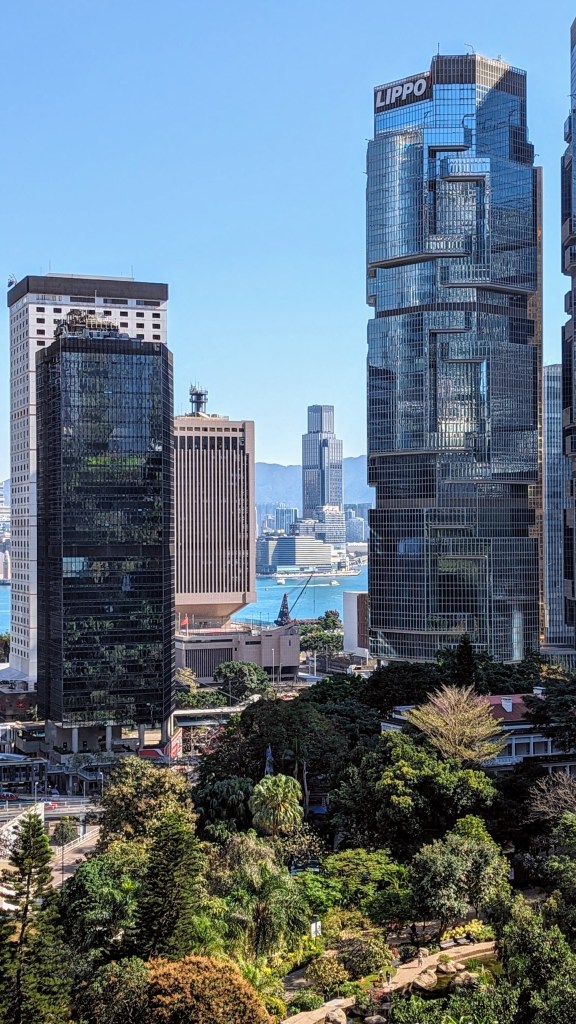
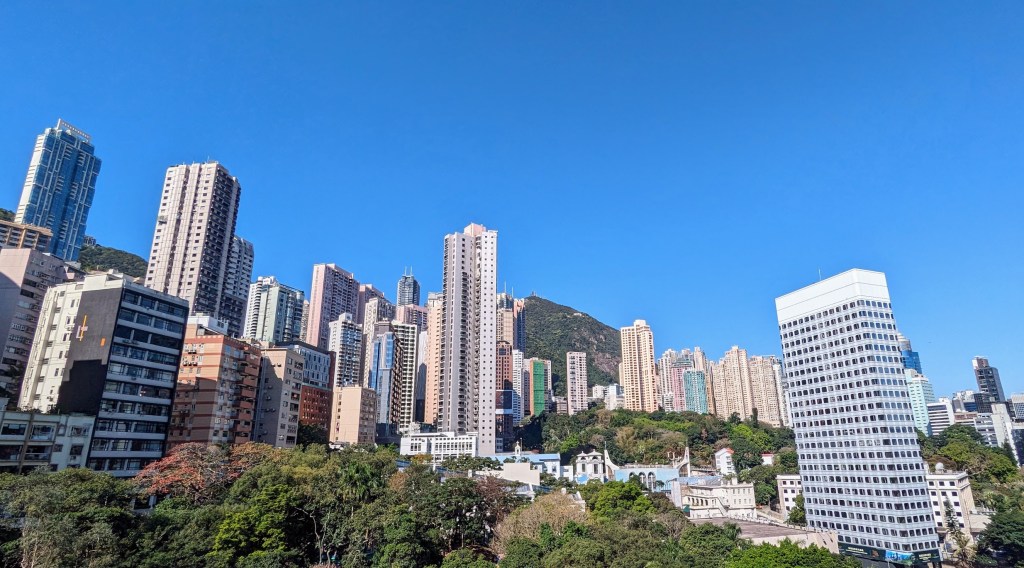
I stayed in the park for over one hour and could easily spend much more time, but the next place awaited: the Victoria Peak. It is the tallest hill on Hong Kong island (552 meters/1,811 ft) and the best spot to get a panoramic view of the entire city and surrounding islands. Being a top tourist destination, it can get crowded with visitors: try to go there early, when the observation desk (called Sky Terrace 428) just opens at 10 in the morning.
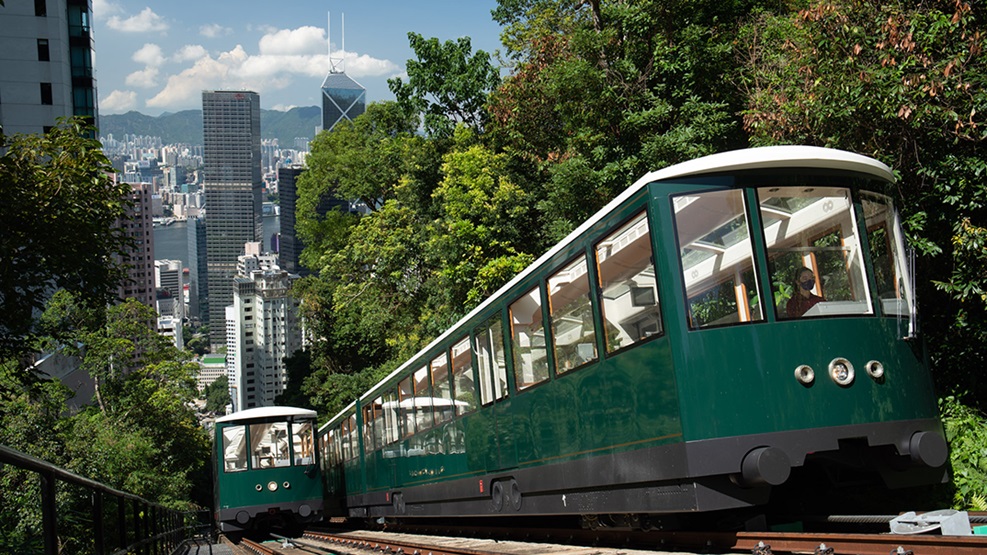
The easiest and very scenic way to reach Victoria Peak is a ride with venerable Peak Tram – a funicular which climbs slowly 400 m / 1,312 ft over a distance of about 1.5 km / 1 mile. As it travels up and makes several curves, the views of the city, its streets and buildings, are constantly changing. Operated since 1888, Peak Tram was the first funicular rail in Asia. The entrance to its lower station is right next to Hong Kong Park, and I walked there in 5 minutes. In order to avoid staying in line for tickets, I suggest buying a combo ticket (for tram and observation desk Sky Terrace 428) in advance online HERE: it costs about USD $ 20.
After reaching upper station and disembarking, you will need to take a few escalators to the open air observation desk, Sky Terrace 428. All escalators are inside of a single building which is – predictably – filled up with souvenir shops, caffes and restaurants. I skipped everything and headed straight to the Terrace. And the view from there was breathtaking: especially, in the direction of Hong Kong’s Victoria Harbor.

I came to the Terrace exactly when it opened at 10 am and was among the first visitors. However, in about 20 minutes it was full of tourists, and I returned to the Tram and then back to lower station. But if you have time, you can actually have a decent meal “with the view” in one of the restaurants at the upper Tram station. My fellow Americans would be probably pleased to find among them a Bubba Gump Shrimp and Co.

When I descended to city, it was around noon. The next item on my plan was a place where a typical tourist would probably not go: Man Mo Taoist Temple (124-126 Hollywood Rd in Sheung Vang neighborhood). But first a small side-comment.
So far, I talked about Hong Kong as a modern and cosmopolitan city. But, the truth – and particular charm of this city – is that here, on every step, the “old traditional Asian” is blended with “modern and international.” The old houses and temples are right next to the imposing “glass-and-steel” skyscrapers.
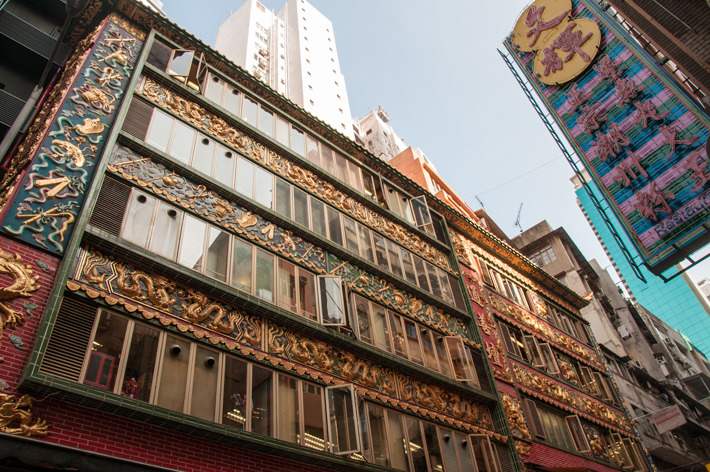

Speaking of “traditional,” Hong Kong has many temples representing wide range of Asia’s religions and beliefs. One fellow traveler told me about Man Mo Temple as an interesting place, and I have never been previously in a Taoist Temple: these were sufficient reasons to go there. From the lower Victoria Peak Tram station, it takes only about 20 min. on foot.
The Man Mo Temple was built in 1847, and it is dedicated to two rather different deities: the God of Literature (Man Tai) and the God of Martial Arts (Mo Tai). I was told that these two Gods were especially patronized by the students seeking progress in their studies. Sort of makes sense to me: learning via literature could be nicely complemented by the fighting skills. From the outside, Man Mo temple looked fairly modestly.

But inside I was overwhelmed by the bright colors (dominating gold and red), powerful aromas of smoking incense, and many people praying and offering sacrificial donations at several altars.

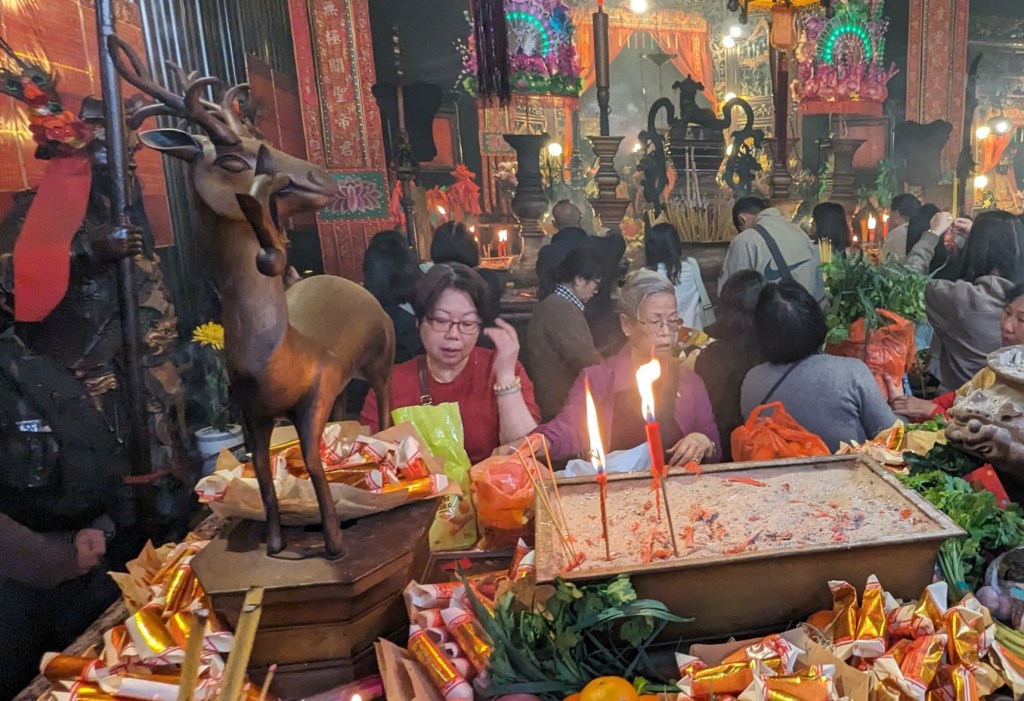

Man Mo is actually not a single temple, but rather a compound of three sacred places. The major one is the Man Mo Temple itself (pictures above). Next to it and to the right is Lit Shing Kung Temple dedicated to all heavenly gods.
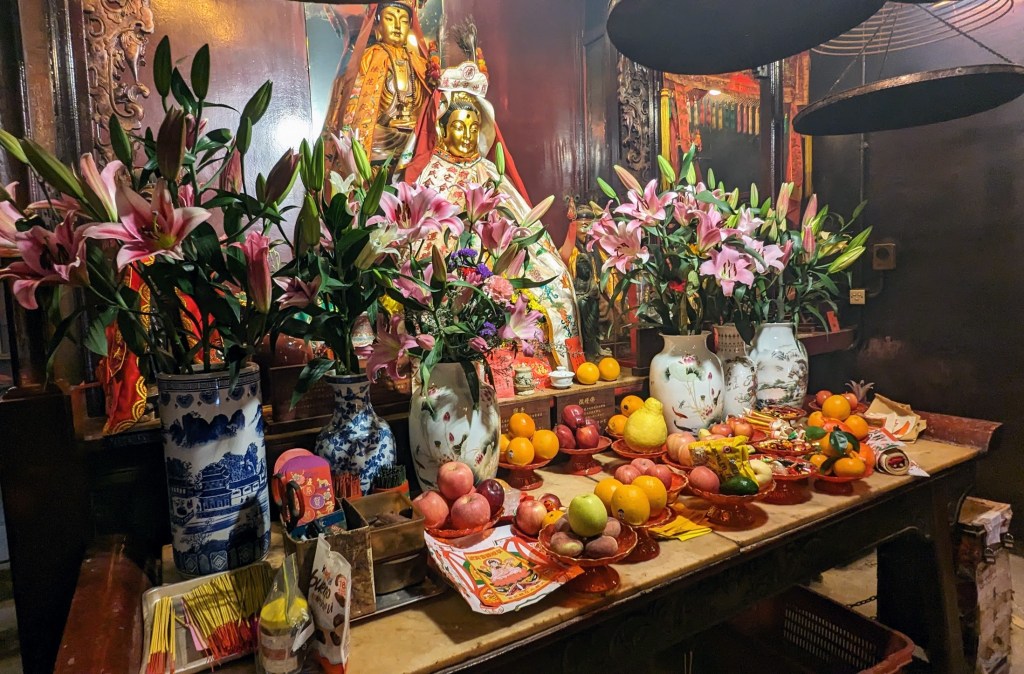
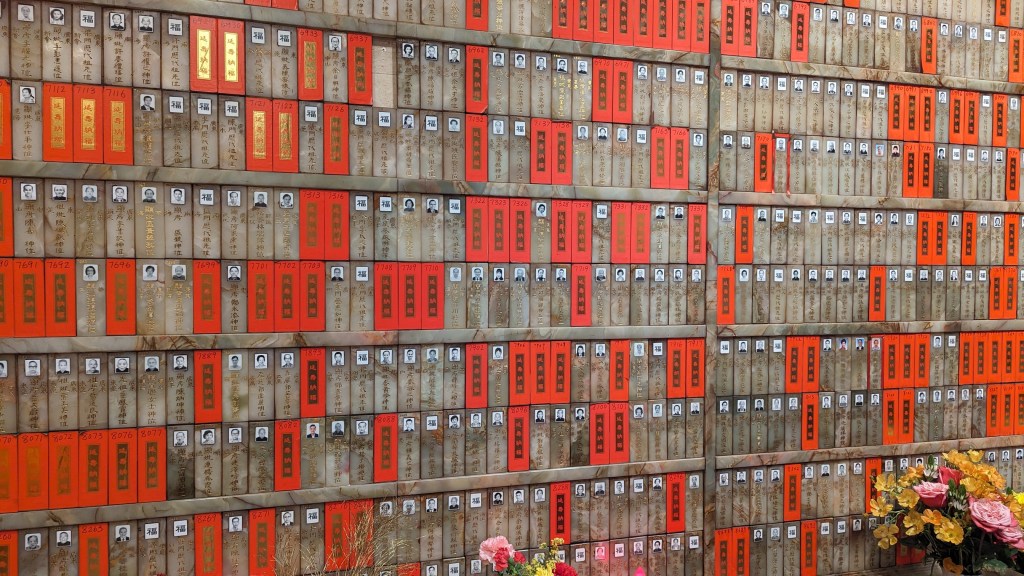
Finally, the last one is Kung Sor Temple. It was the place where the local community would get together for resolving any conflicts and discussing various matters. Its other function is commemoration of deceased. The walls of Kung Sor are covered with small placards bearing the names and pictures of hundreds of people.
Being inside Man Mo Temple, I had a lot of questions, but it did not feel right to ask people around. They were not idle tourists, but members of this religious community who came to Man Mo to focus on worship and meditation. And I was glad to simply be there and experience temple’s overall atmosphere, its colors, sounds and aromas.
In early afternoon, I walked to the nearest MTR station and headed to the last stop on the light brown line: Tung Chung. This station is located on another (than Hong Kong) island called Lantau. Visitors to Hong Kong go to Lantau for a variety of reasons such as: Hong Kong’s Disneyland, traditional fishing village of Tai O, Cheung Sha beach, extensive network of mountainous hiking trails, and much more.
But by far the main attractions on Lantau are the Big Buddha statue, Po Lin Monastery and Ngong Ping 360 cable car (gondola lift) which takes visitors from Tung Chung station to the Monastery and Big Buddha.
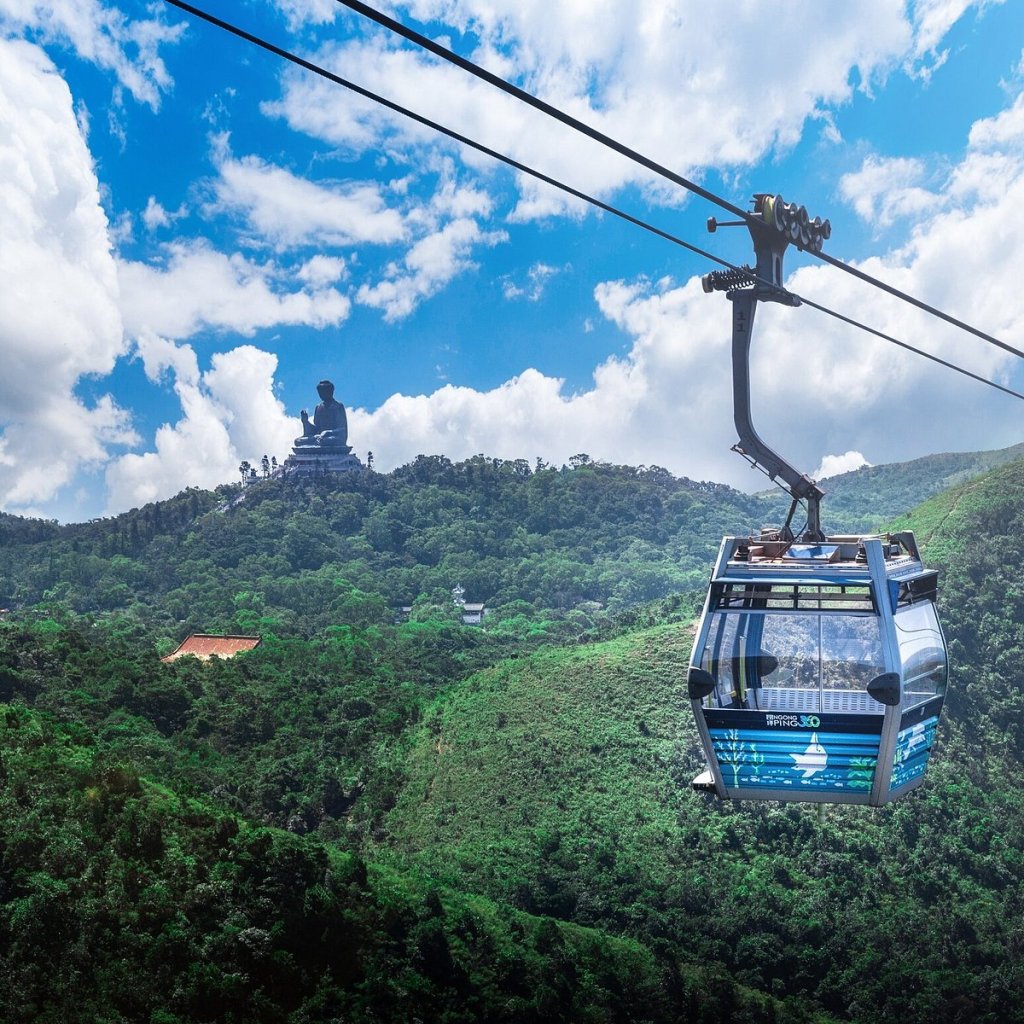
Opened in 2006, Ngong Ping 360 offers the longest cable car/gondola ride in Asia. Regardless of records, the 5.7 km / 3.5 miles journey lasts about 25 min, climbs 400 meters/1,300 feet, and it is visually absolutely spectacular. My recommendation is to get tickets in advance online HERE and purchase a more expensive “crystal cabin” which is almost fully transparent (including floor). The return trip costs about USD $ 45 and it is worth every penny.
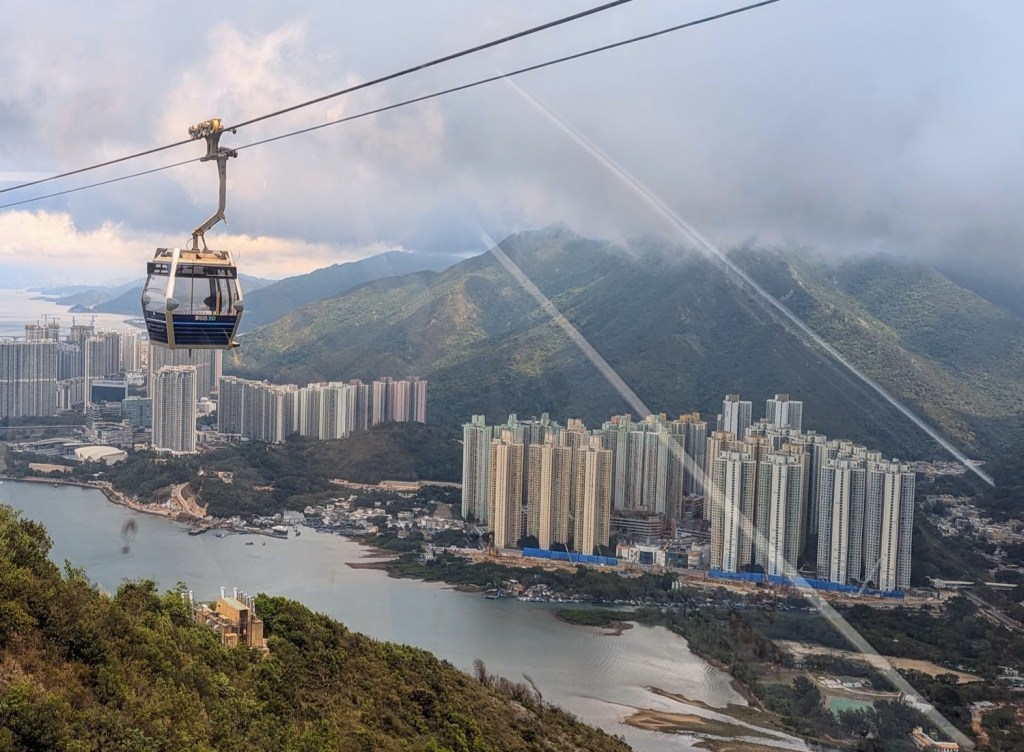
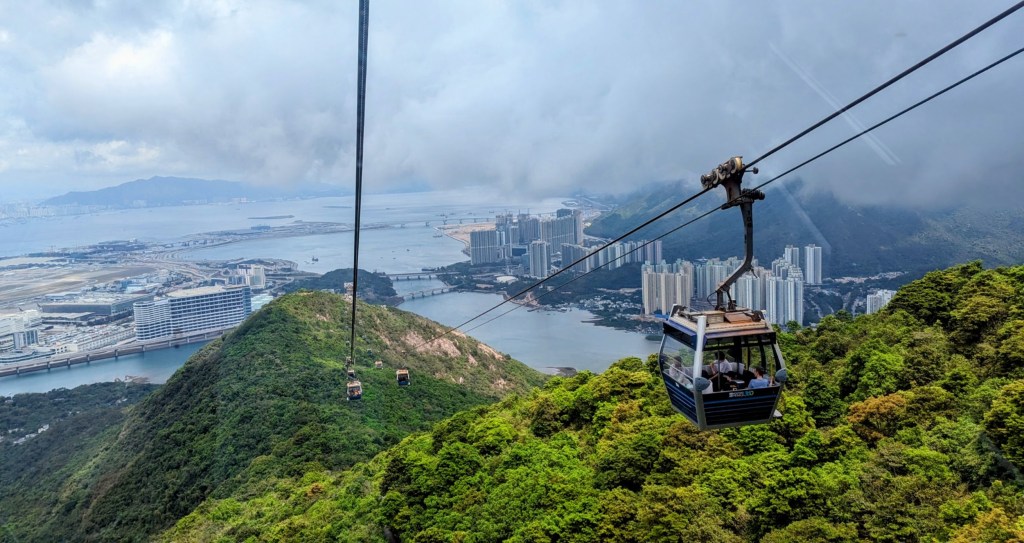
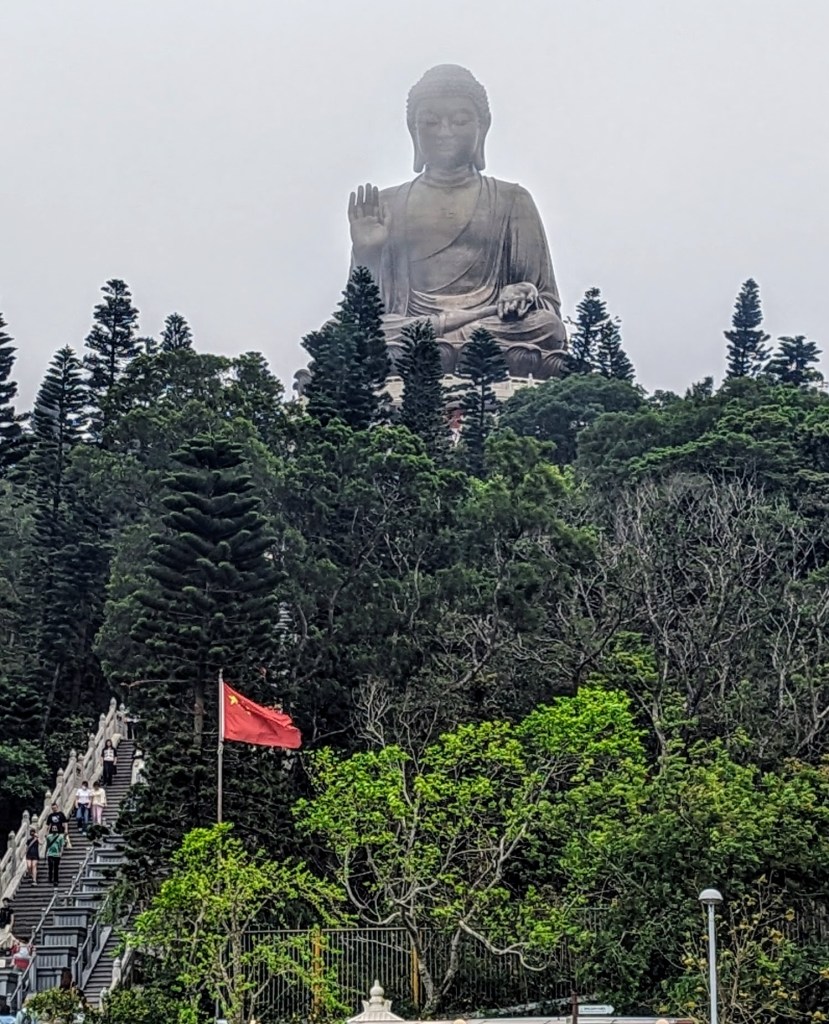
Problem was that when I arrived to the upper station, a thick fog covered the top of Lantau island and the 34 meters / 112 ft high bronze statue of Big Buddha was barely visible.

I walked around and visited the sprawling complex of Po Lin Buddhist monastery. My favorite part of it was the room called the Grand Hall of Ten Thousand Buddhas.
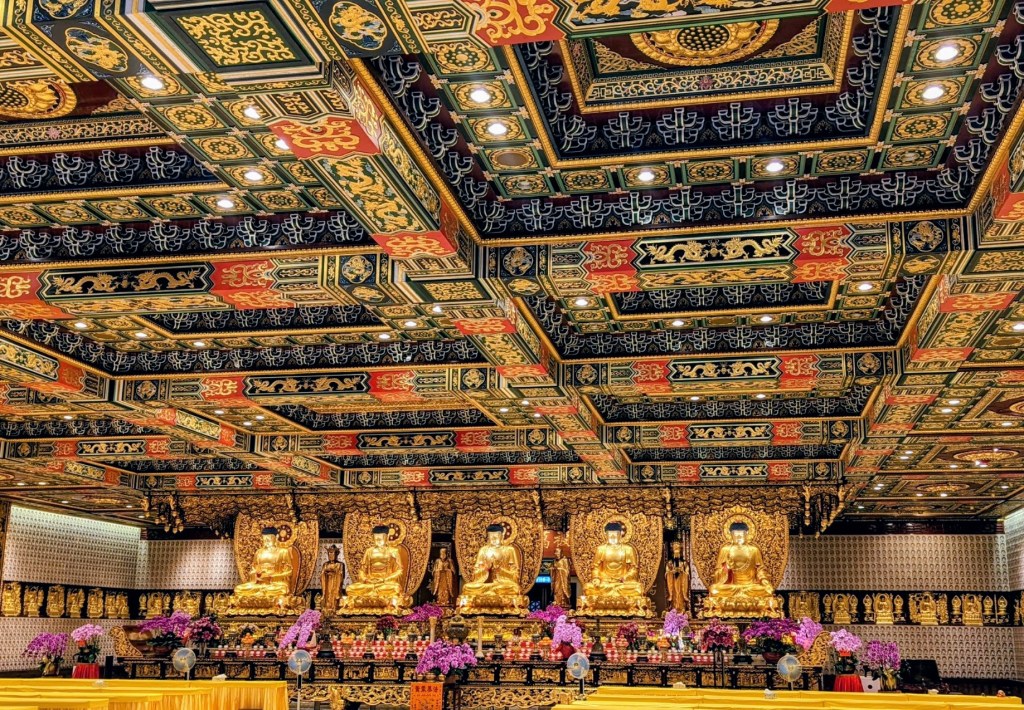
My original plan was to also hike to the highest point of Lantau island, the Lantau Peak (elevation 934 meters / 3,100 ft) and walk the so-called “Wisdom Path.” The latter is a landscaped installation of 38 giant wooden columns which are covered with inscriptions from the Heart Sutra (one of the principal Buddhist prayers). However, the thick fog and light rain made this plan not very appealing. Hence, I headed back to the Ngong Ping Cable Car for return ride.
As I was nearing the station, the fog suddenly cleared up and just for a few seconds the Big Buddha became visible as if saying “Good Bye!” to me.

Back to Tung Chung, I took again MRT and returned to Hong Kong island, to the Kennedy Town station (westernmost station on dark blue line). Hong Kong is full of various interesting shops and specialized markets: Cat Street market (antiques and souvenirs), Temple Street Night Market (great place to try different Asian dishes prepared in front of you at the food stalls), Birds Market (yes!) on Yuen Po Street, Flower Market on Flower Market road, and much more. In fact, you can easily spend couple days in Hong Kong simply exploring the city’s “market scene.”
Right next to Kennedy Town MRT station, there is Smithfield Market. Besides fresh fruits and vegetables, its specialty are Asian condiments (sauces, spices) and fresh seafoods of any kind.

The prices at Smithfield Market were more than reasonable. Half dozen of giant fresh scallops on a shell costed only USD $ 6.50.

Regrettably, there was no way to take fresh seafood with me on a plane, but I got a good supply of various exotic sauces, condiments, and spices. Besides visiting Smithfield market, there was another reason to be in this part of the city. The end station of Hong Kong’s old-fashioned tram is also just a few hundreds away from the Kennedy Town MRT station.
Opened in 1904, the tram system in Hong Kong has always employed only electric trams (never used horse or steam power). What makes Hong Kong’s tram system truly unique is that It operates world’s largest fleet of double-decker trams.

The main line runs between Kennedy Town in the west and Shau Kei Wan in the east: essentially going along the north coast of Hong Kong island. The length of the line is 13.3 km / 8.3 miles, but with 100+ stops it takes more than one hour to travel the entire route. The slow speed, however, is not the point – rather the opposite: sitting at the open window on the upper deck and moving slowly through the city is an excellent way to watch the street life of Hong Kong. And it is ridiculously cheap: a single ride costs only about USD $ 0.50 (fifty cents).
Predictably, the trams are very popular among tourists and the fill up with passengers quickly. Tgherefore, if you want to secure the best seats (in the front of upper deck), I recommend boarding at one of the end stations.

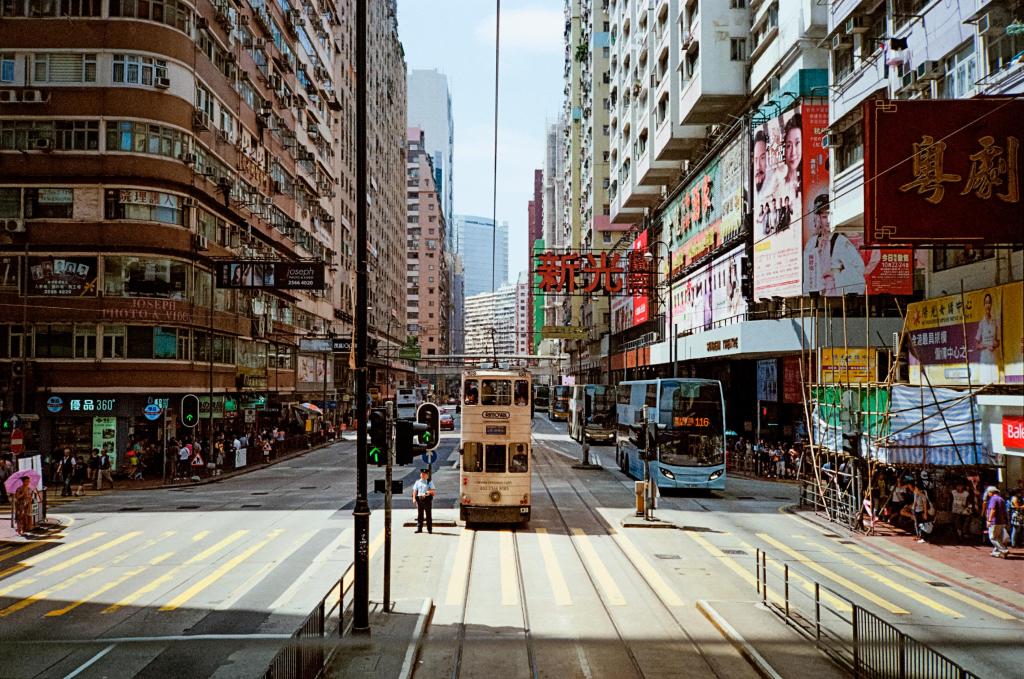
I did not travel the entire line, but disembarked at the Gauseway Bay station and walked to the Central Ferry Pier in Victoria Harbor. The evening was approaching, and two more adventures awaited me: riding the Star Ferry across the harbor and watching Hong Kong’s famous daily Symphony of the Lights Show.
Hong Kong has an extensive system of ferry services connecting various islands and points. They are run by various companies, but the best known among them is Star Ferry (HERE is the link to its website). The most traveled line is between Central Ferry PIer #7 on Hong Kong island and the Star Ferry Pier in Tsim Sha Tsui part of the city (Hong Kong’s mainland): here, the boats are crossing harbor every 10-15 minutes.
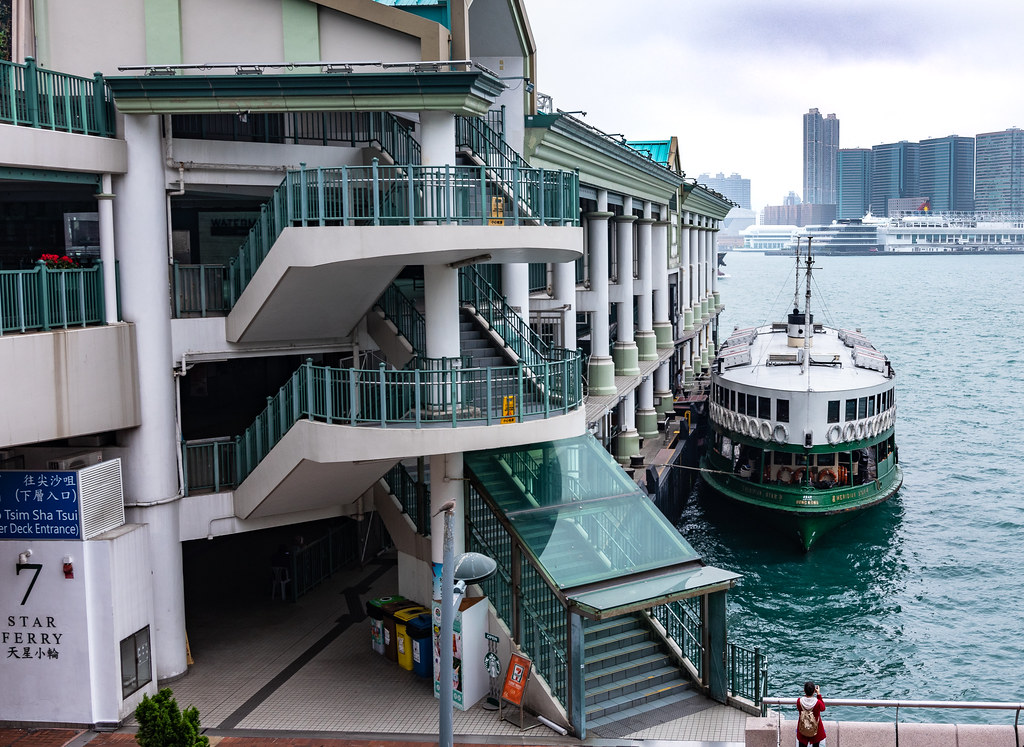
The ride between Terminal #7 on Hong Kong island and Tsim Sha Tsui is short (about 15 min), but visually it is spectacular. When the boat traverses the waters of Victoria Harbor, you will see the skyline of the city and fine examples of modern architecture on both sides: Hong Kong island and the mainland. Similarly to tram, the ferry is also very cheap: only about USD $ 1. I also recommend to repeat this experience at least twice: in the light of the day and at night.
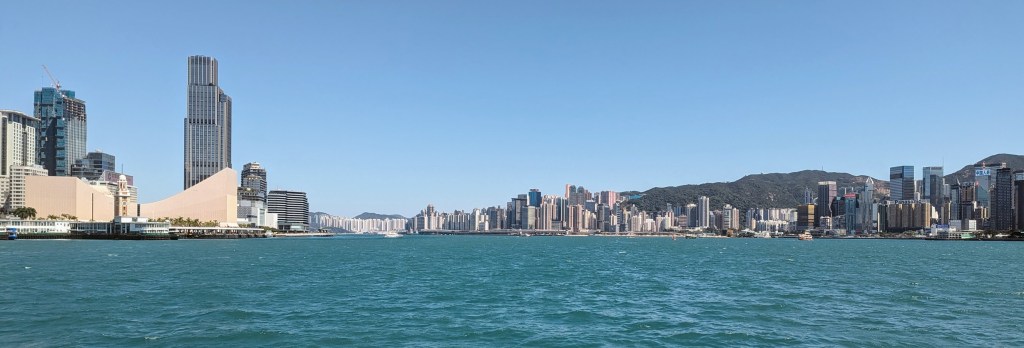

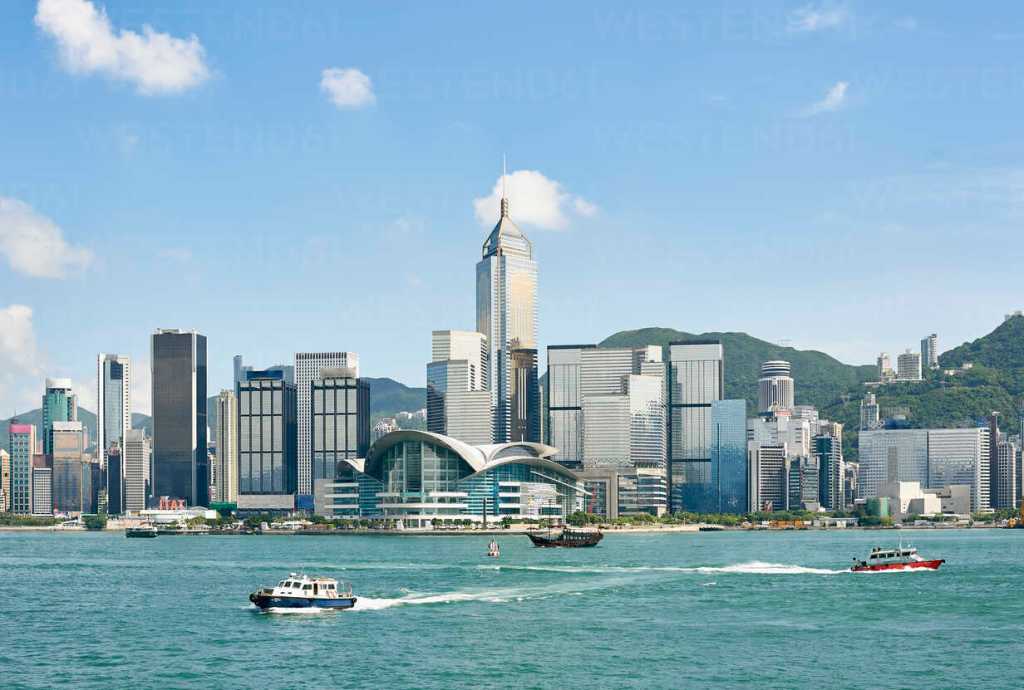
Before taking ferry across Victoria Harbor, I spent the entire day on Hong Kong island and Lantau island. But this does not mean that Tsim Sha Tsui (mainland) part of Hong Kong is not worth visiting.
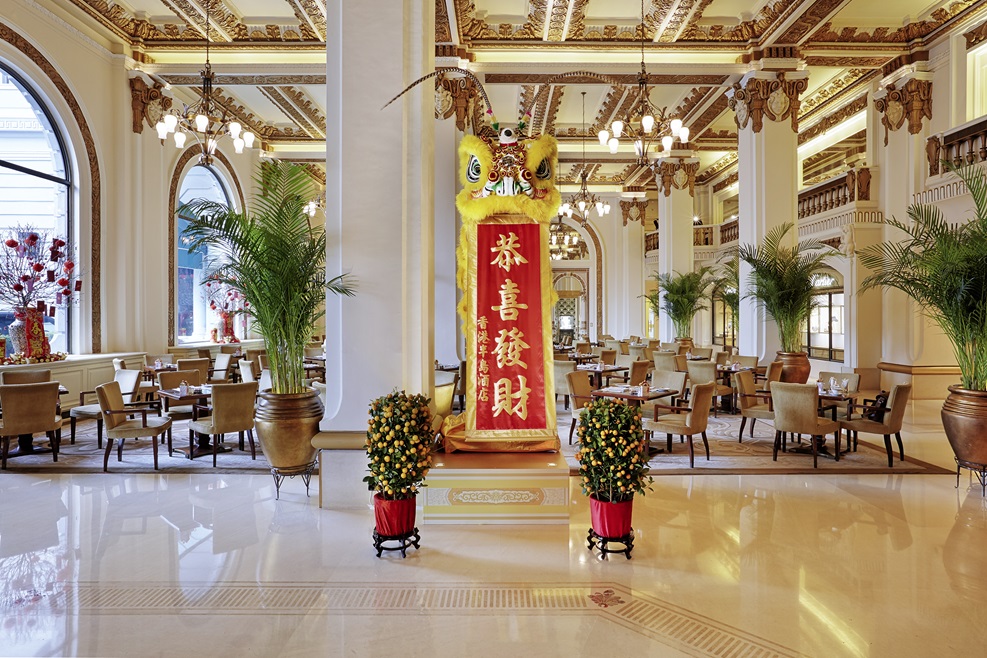
The already mentioned Night, Birds, and Flower markets are here, as well as sprawling Kowloon Park. Right next to Star Ferry Pier are Hong Kong Museum of Art, historic Clock Tower, Hong Kong Space Museum, and the Avenue of Stars (a promenade on the waterfront which honors celebrities of Hong Kong film industry). Also for those who want to splurge into something “high end” and extravagant, the Peninsula Hotel offers elaborate afternoon tea ceremony in abundantly rich interiors.

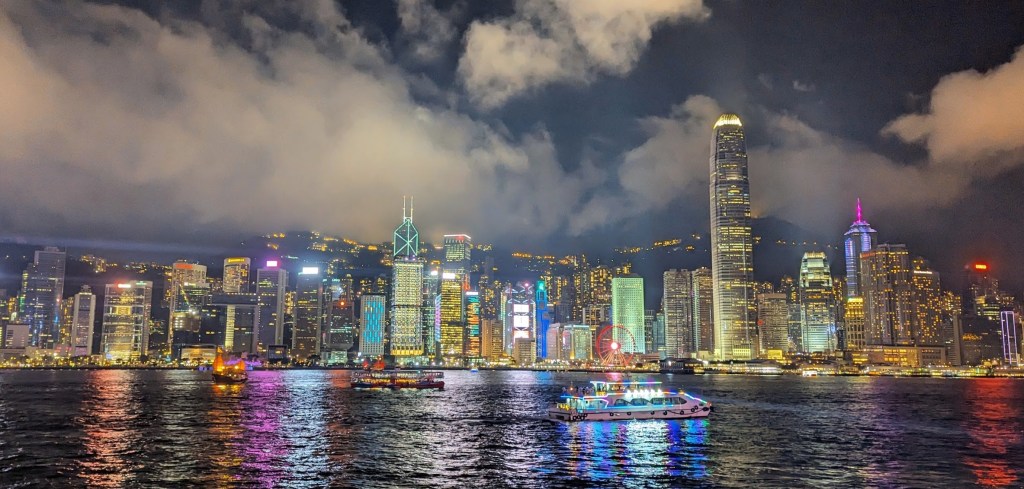
But for me – regrettably – the day of exploring Hong Kong was nearly over. “Nearly,” but not exactly. From the Star Ferry Pier, I walked to the Avenue of the Stars and found a bench with a good view of Hong Kong Island’ skyline across Victoria Harbor. It was around 7.30 pm and more and more people were gathering here: all waiting for Hong Kong’s Symphony of the Light Show which happens every night at 8 pm.
It is, indeed, a light and sound show, with about 50 high-rising buildings on both sides of Victoria Harbor being brightly illuminated, with added laser effects, and accompanying music. Some people prefer to take special boat tours and watch the show from the middle of the harbor, but simply observing from the waterfront on either side (Hong Kong island or Tsim Sha Tsui) is just as good. The show lasts only about 20 minutes, but it is an unforgettable experience.
After the show, I walked (about 40 minutes) to the Kowloon MRT station and took express train back to airport. The night was warm, and the streets and buildings were brightly lighted. It was a very full day, and I saw a lot. But I knew already that I will be back and will explore more of Hong Kong – the city which has so much to offer to everyone,
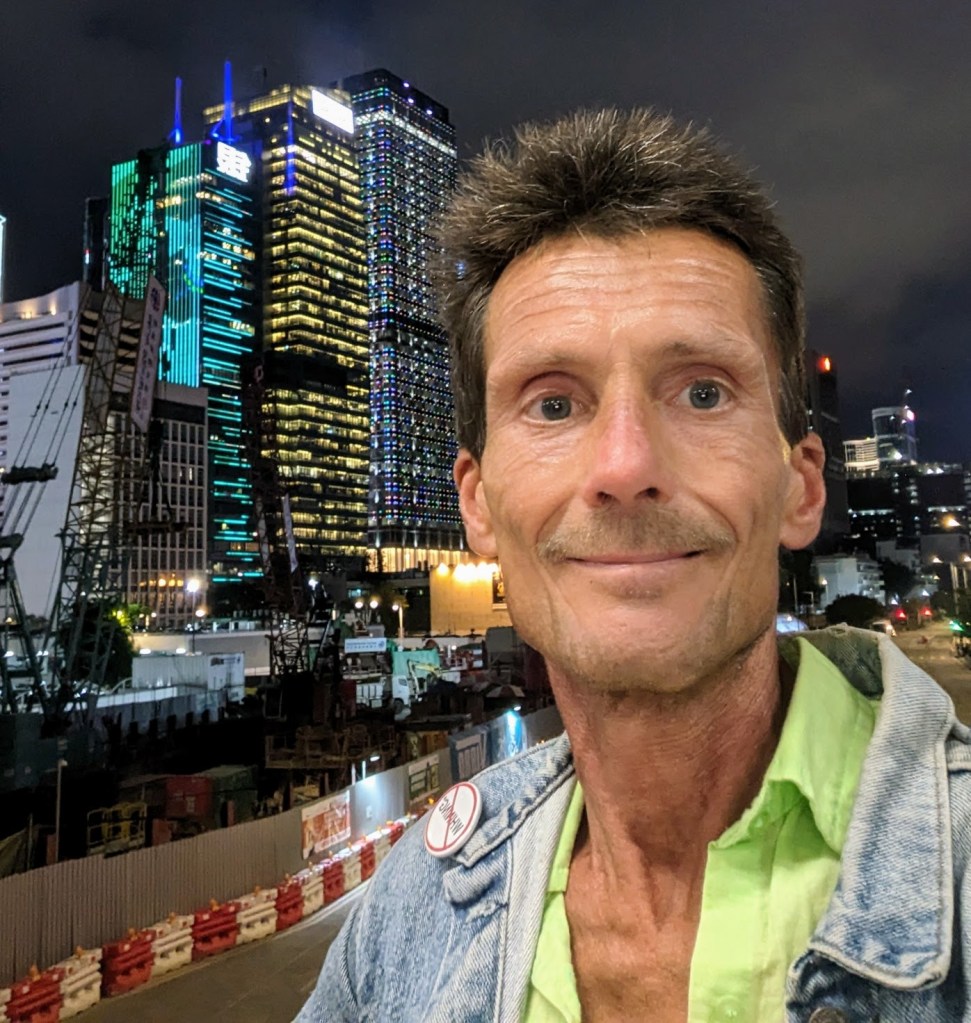

 Alexei on the Road
Enjoyed this post tons. You seem like incredible energy. Keep it going!
LikeLike
Well-chosen photos, Alexei. Love the aviary and the fearless birds. Very inviting park. What were some of the questions you had when you visited the Man Mo Taoist Temple (if you could ask the locals)?
LikeLike
Take me with you!
LikeLike
Christ is Risen ! Great trip. Glad you like Hong Kong keep it ftee. You know Tony Vrame is now Bishop Anthony in the GOA. He is the one who got you started on Orthodox Churches in Ametica. He came out of our St. Luke Church OCA we founded 40 years ago. In His Service, Lee
LikeLike
This email is no longer active or monitored.
LikeLike